
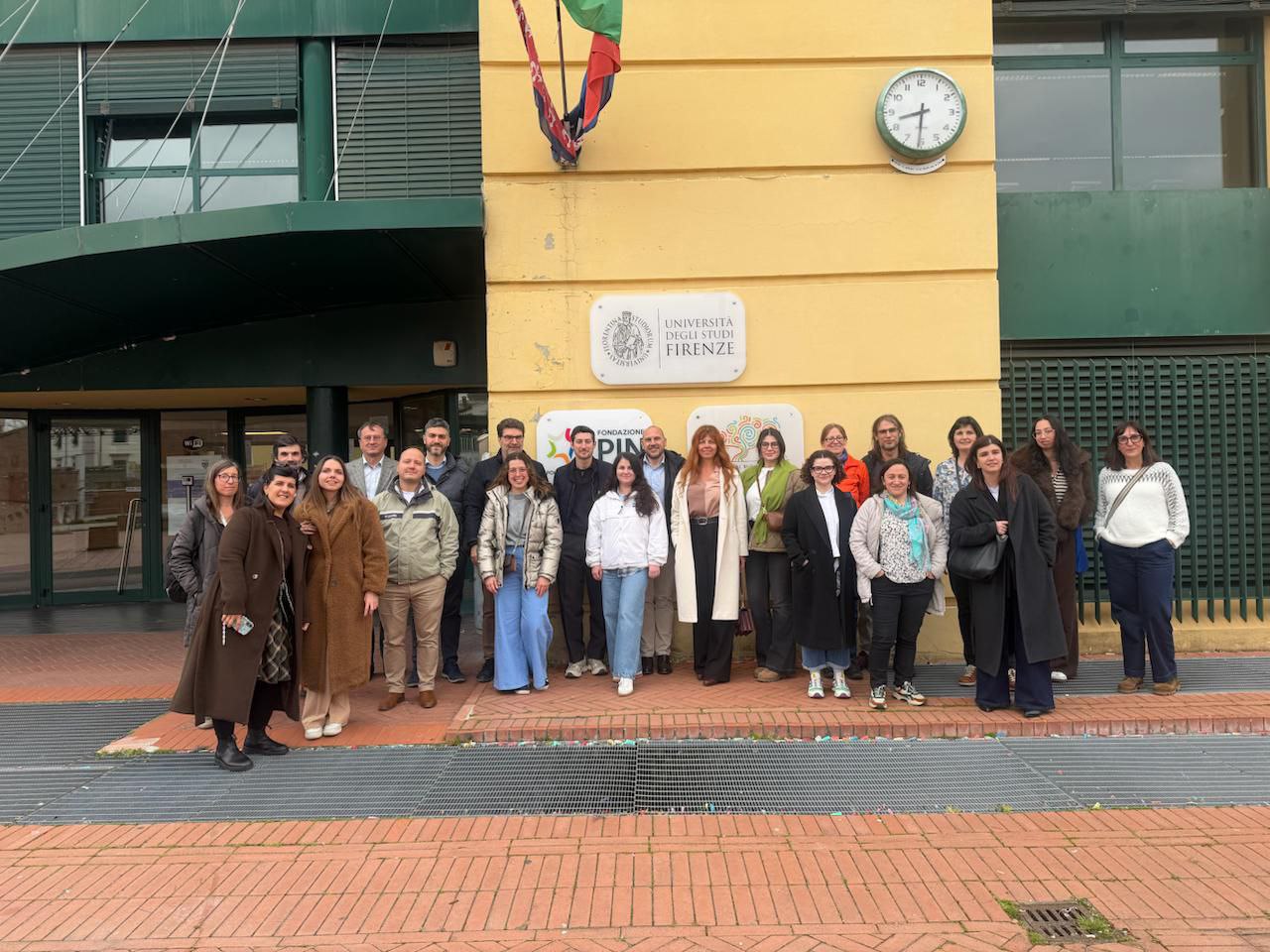

From 02/21/2026 to 03/02/2026, Oksana Zakharkevych participated in an international seminar as part of the Ukrlegprom Association team in Prato, Italy.
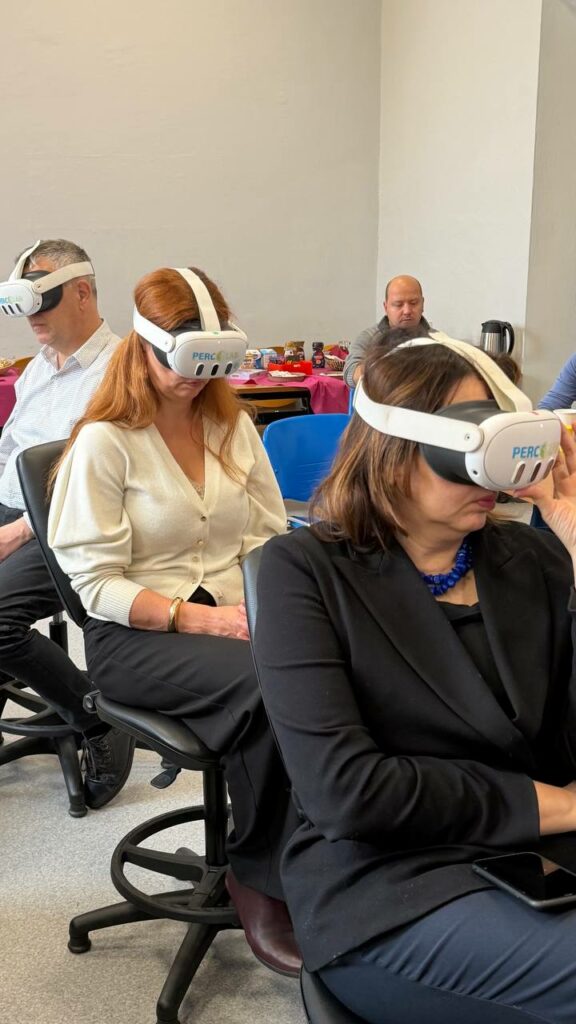
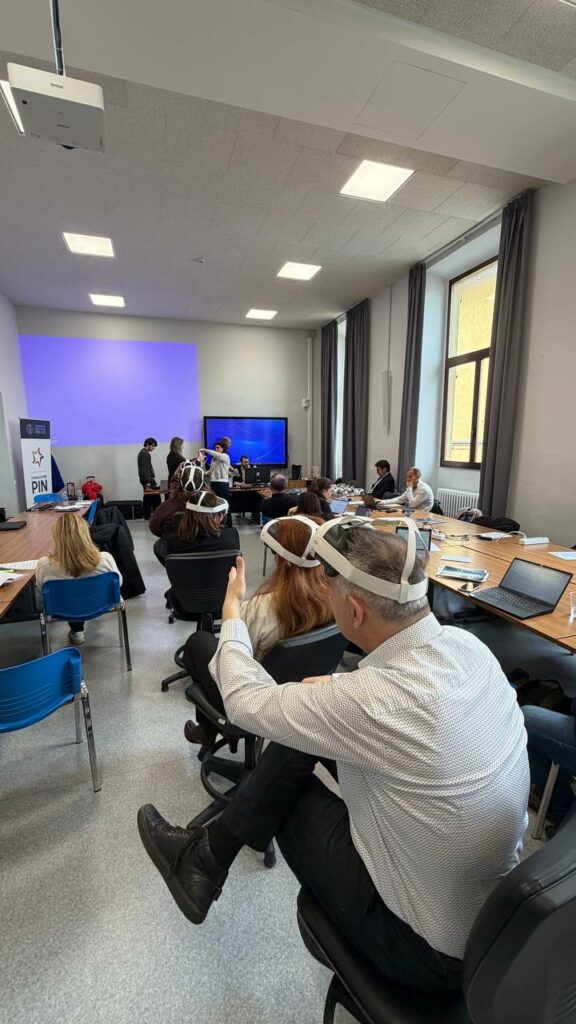
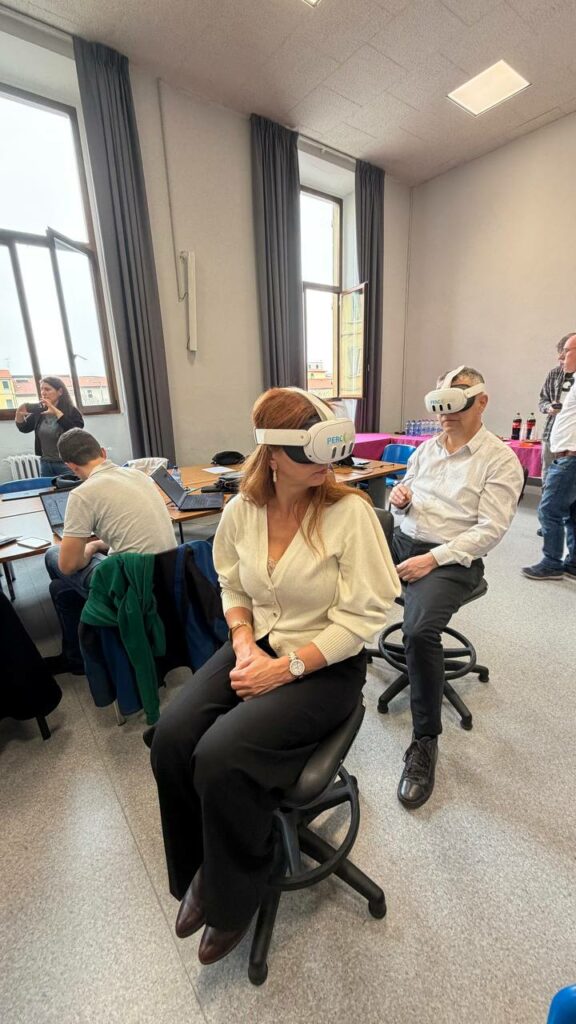
The training took place within the framework of the international project Metaskills4TCLF. The main goal of the seminar in Italy was to master innovative teaching methods using virtual reality (VR) technologies for the textile, clothing, leather and footwear (TCLF) sector. Participation in the event allowed integrating Ukrainian expertise into the formation of a new European skills system and providing access to best practices in digital transformation. The event brought together leading experts from 14 partner organizations (Portugal, Italy, Spain, Germany, Greece, France, Poland and Ukraine) to develop the latest educational standards and tools. The training was dedicated to the practical use of MetaSkills VR App - specialized software for training light industry specialists. The program covered the technical aspects of setting up VR headsets, the pedagogical vision of immersive education and working out scenarios in single-user and multi-user modes.
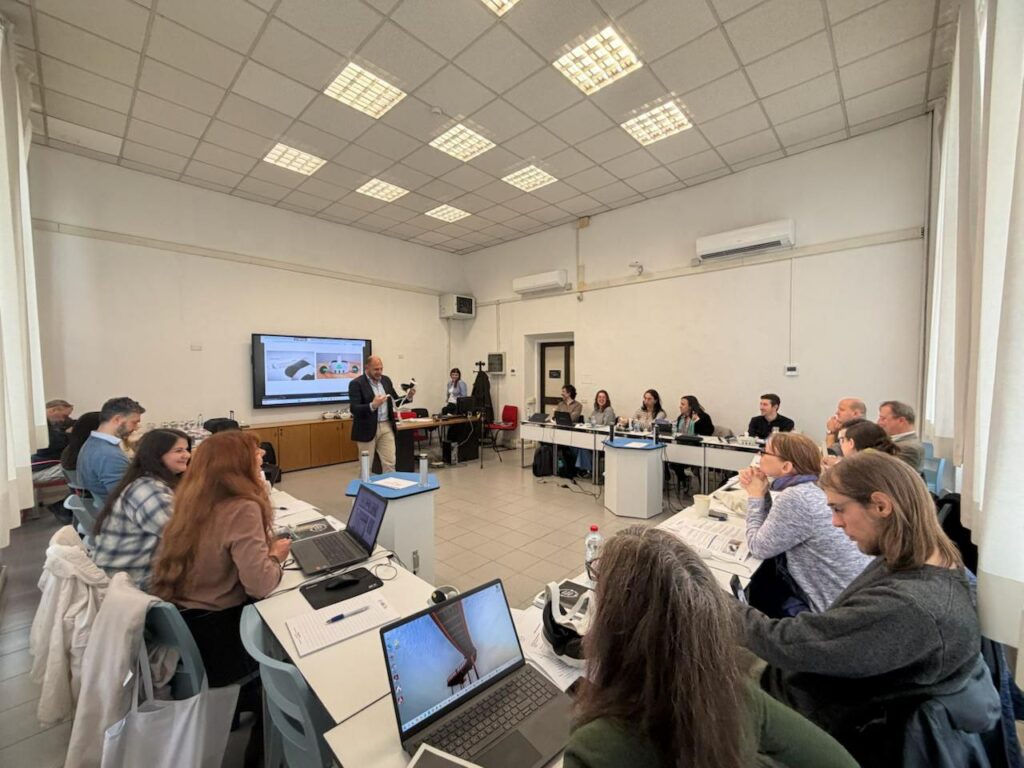
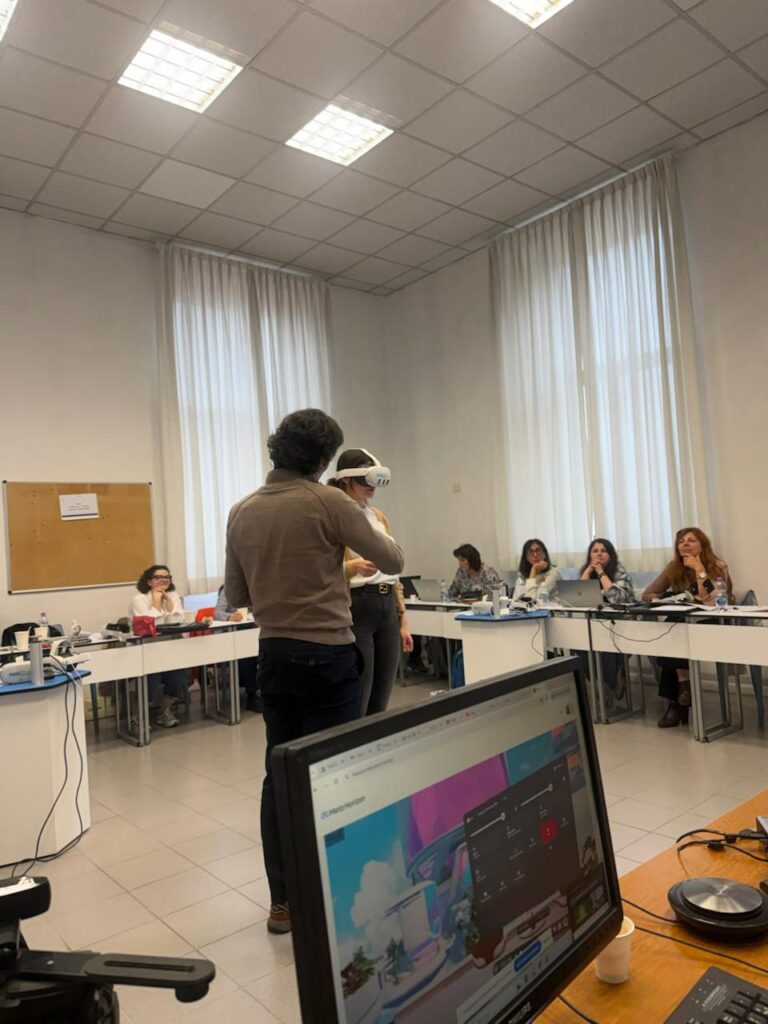
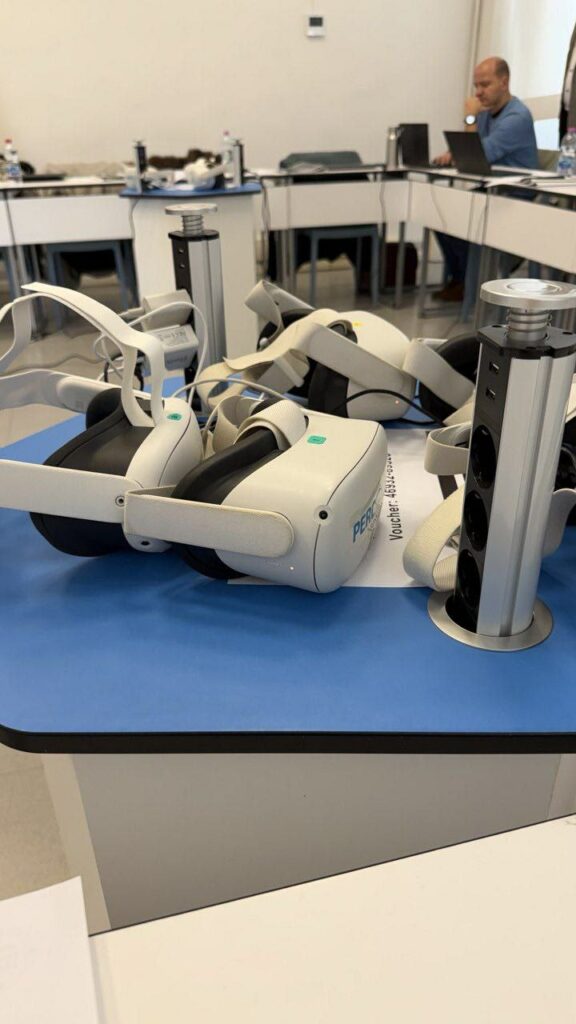
Particular attention during the discussion was paid to the possibilities of using VR technologies for modeling production processes, safely practicing technical skills, organizing collaboration in multiplayer mode, as well as adapting educational scenarios to the needs of different countries and educational institutions. Such approaches demonstrate the significant potential of virtual reality for modernizing vocational training in the field of light industry.
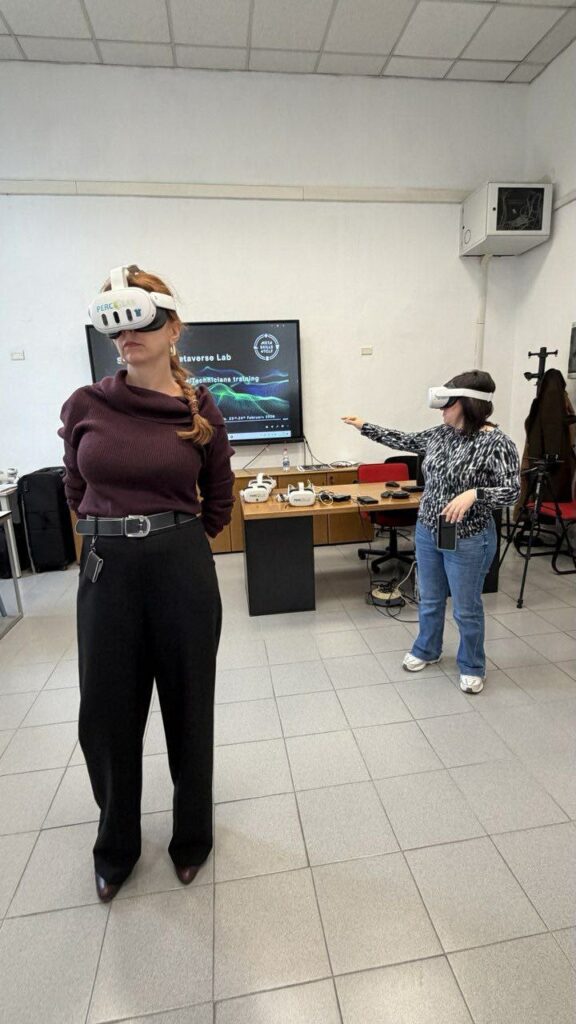
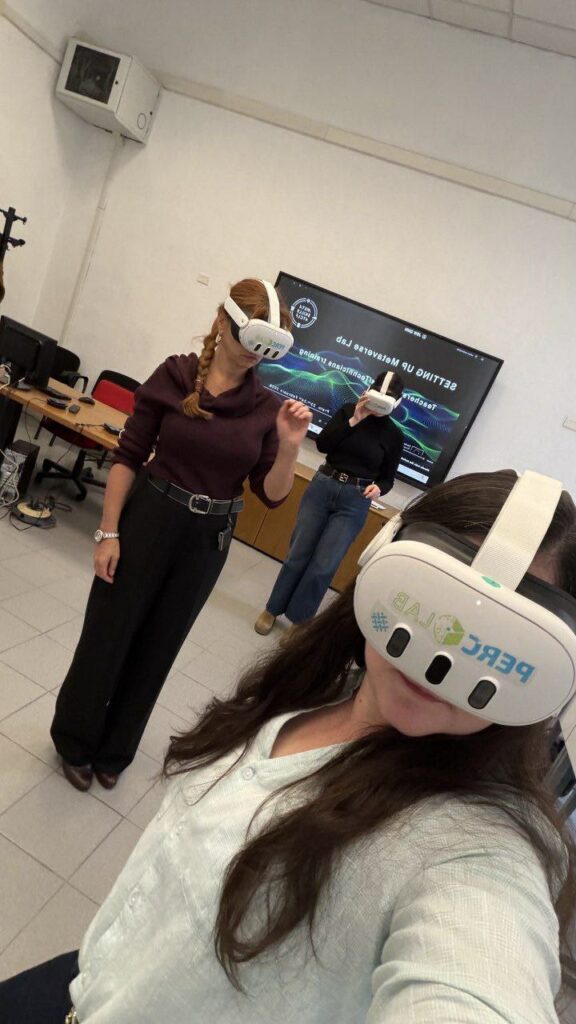
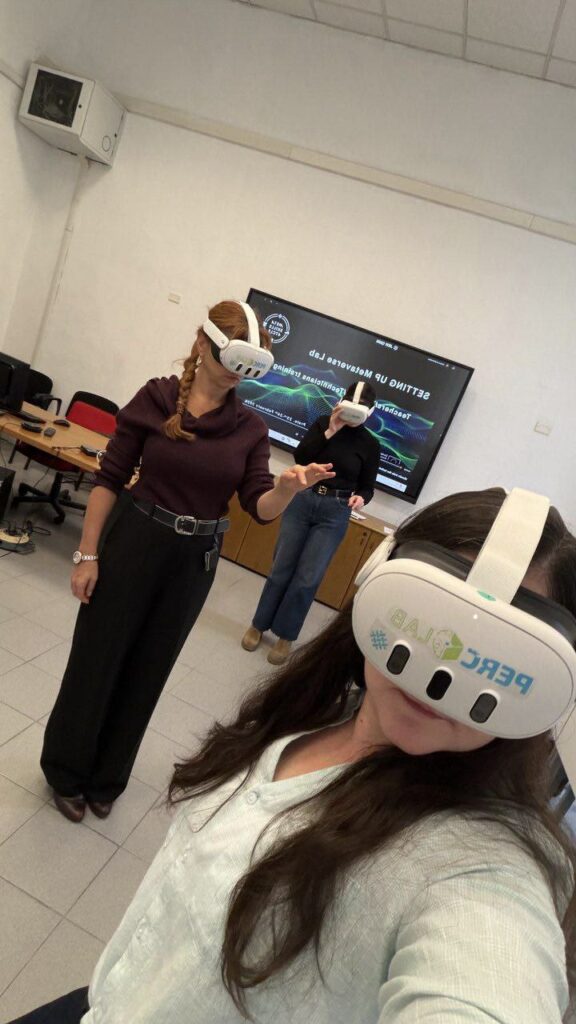
After intensive work on educational scenarios, the study visit participants continued the program with a study tour to local textile companies in Prato. This format allowed them to consolidate the acquired knowledge and see how the principles of digitalization, sustainable production and new skills are implemented directly in the production environment.
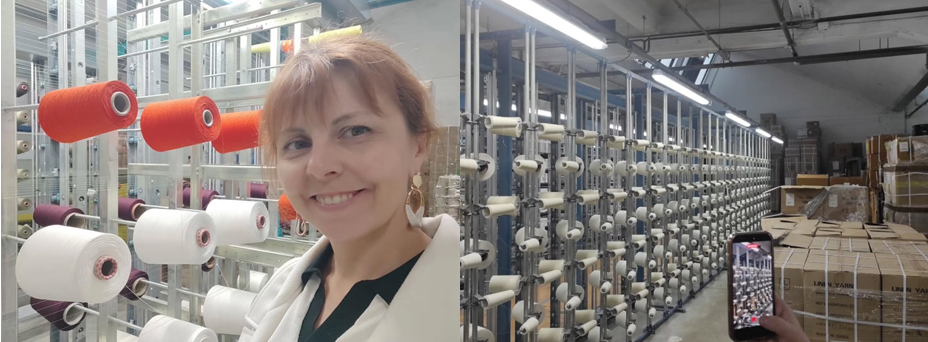
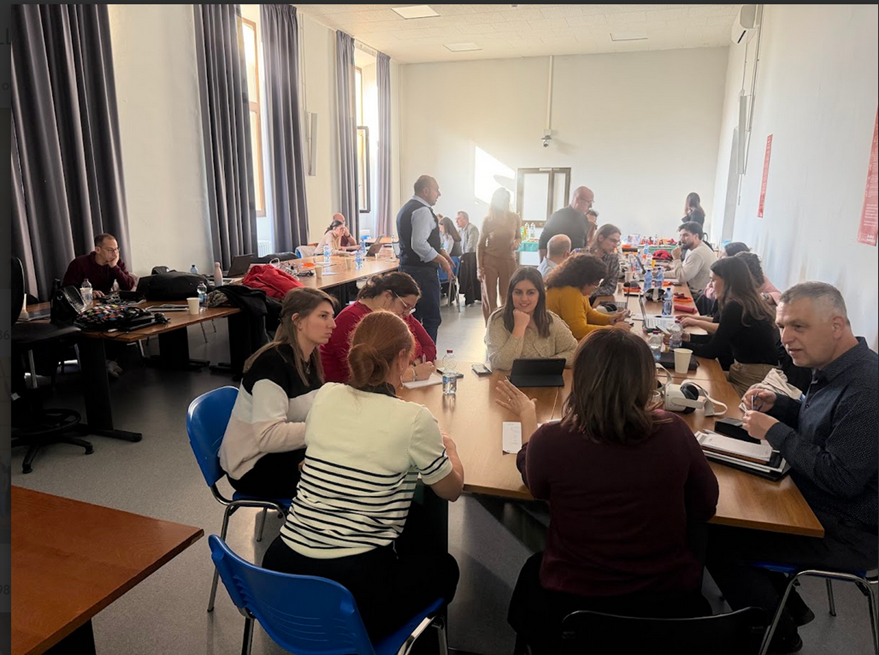
Under the mentorship of Silvia Gambi and the technical team, participants worked in three groups to develop a full-fledged training session using the VR environment.
The format of the work involved a comprehensive activity of the participants, combining collective design and practical testing of educational solutions. In particular, at the first stage, a group development of the lesson structure was carried out, during which the participants determined the learning goals, the logic of presenting the material and the sequence of the stages of the lesson. The next step was the integration of the VR experience into the educational process, which involved the inclusion of virtual reality elements in the pedagogical scenario to increase interactivity and involvement of students. After that, the created scenarios were tested in multiplayer and single-player modes, which made it possible to check the functionality, usability and effectiveness of user interaction with the virtual environment. The final stage was a public presentation of the results, during which the participants demonstrated the developed educational solutions, discussed the results obtained and shared their own conclusions regarding the possibilities of applying VR technologies in education. One of the groups demonstrated the lesson in multiplayer mode, while the other participants watched the broadcast and analyzed the methodology. This allowed us to evaluate not only the technical capabilities, but also the pedagogical effectiveness of VR as a learning tool.
Prospects for use in the educational process of KhNU
Summing up participation in the training for the Department of Technology and Design of Sewing Products Khmelnytskyi National University, within the framework of the implementation of the educational and scientific program G15 "Light Industry Technologies", as well as the educational and professional programs of the department, the following strategic steps have been identified: to introduce VR laboratories by integrating MetaSkills tools into the educational process for visualizing complex production cycles, to ensure the digitalization of training through updating the work programs of disciplines with an emphasis on immersive technologies, and to promote international validation to confirm the compliance of the level of training of specialists at KhNU with the European Digital Skills standards.
Prospects for using EDIH CLOTEX-HUB in activities
The results obtained will become the basis for expanding the hub's service portfolio and strengthening its role as a driver of digital change, which involves technology transfer through the implementation of VR/AR tools as a service for training personnel of participating enterprises, scaling knowledge by conducting demonstration sessions for partners of the Podolsk Fashion Cluster using Italian experience, as well as strengthening the role of the cluster through active participation in international value chains based on digital integration.
 EN
EN  UK
UK